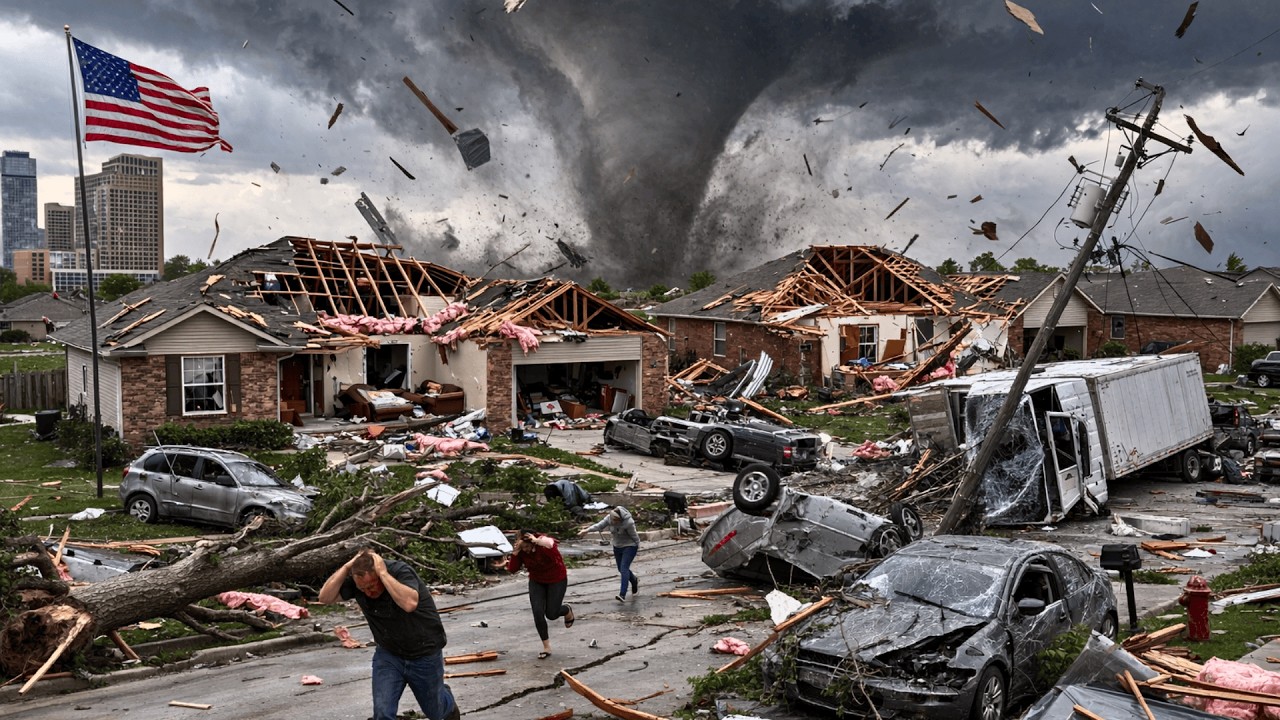
Texas Storms Unleash 94 MPH Wind Gusts: What's Next?
Texas, a state renowned for its diverse landscapes, is also no stranger to the raw power of nature. Recent events have underscored this reality, with communities experiencing astonishingly high wind gusts – some reaching a staggering 94 miles per hour. These intense weather phenomena serve as a stark reminder of the dynamic and often unpredictable nature of texas severe weather, prompting widespread concern and activating state-level emergency responses. As residents grapple with the immediate aftermath of these powerful storms, the pressing question remains: What more does the forecast hold for the Lone Star State?
From the Panhandle to North Texas, the state has been on high alert, dealing with everything from destructive winds to the looming threat of tornadoes and large hail. This article delves into the specifics of these recent weather events, explores the proactive measures taken by state authorities, and provides essential guidance for Texans navigating an increasingly volatile severe weather landscape.
The Immediate Impact: Unprecedented Wind Gusts Shake Texas
The recent texas severe weather outbreaks delivered a powerful blow, particularly in the western and northern parts of the state. One of the most alarming reports included a monumental 94 mph wind gust recorded in Texline, a figure that rivals the wind speeds of a Category 1 hurricane. Shortly thereafter, Dalhart experienced its own significant gust of 76 mph. These aren't just numbers; they represent immense kinetic energy capable of causing substantial damage, turning everyday objects into dangerous projectiles, and posing a severe threat to life and property.
Such extreme winds can lead to widespread power outages, structural damage to homes and businesses, uprooted trees, and significant disruptions to infrastructure. For communities caught in their path, the immediate aftermath involves assessing damage, ensuring safety, and beginning the arduous process of recovery. While high winds are a frequent component of Texas storms, these specific gusts underscore the severity and potential for widespread impact that can accompany certain storm systems. Understanding the force behind these events is crucial for both immediate response and long-term preparedness against future texas severe weather threats.
North Texas Gears Up for Continued Severe Threats
While the immediate focus has been on the extreme wind events, the broader forecast for texas severe weather, particularly in North Texas, remains a significant concern. Forecasters have indicated an elevated risk for severe conditions, including the possibility of large hail and tornadoes. Although the tornado risk might be described as "still low" by some models, any such designation warrants heightened vigilance, given the destructive potential of even weak tornadoes. These weather patterns are not isolated incidents but often part of larger, complex storm systems that can produce a variety of hazards simultaneously.
Large hail, often associated with supercell thunderstorms, poses its own unique set of dangers. Hailstones can range from pea-sized to golf ball-sized or even larger, capable of shattering windows, denting vehicles, and damaging crops. The combination of potential tornadoes and large hail creates a challenging scenario for residents and emergency services, requiring constant monitoring of weather alerts and rapid response. Staying informed about localized threats is paramount. For a more detailed look at the specific forecasts and what these threats entail for the region, you can refer to our dedicated article: North Texas Severe Weather: Tornado Risk & Hail Forecast.
Statewide Preparedness: Texas Mobilizes Emergency Resources
In anticipation of and response to the unfolding texas severe weather threats, Governor Greg Abbott has taken decisive action, directing the Texas Division of Emergency Management (TDEM) to activate state emergency response resources. This proactive measure signals the state's readiness to deploy all necessary assets to support local communities affected by or at risk from severe weather. Activating these resources means that state agencies, including emergency services, first responders, and support personnel, are placed on standby or deployed to assist with everything from search and rescue operations to providing temporary shelters and distributing aid.
The activation of these resources is not merely symbolic; it represents a comprehensive strategy to minimize potential harm and accelerate recovery efforts. It involves coordinating efforts across multiple jurisdictions, ensuring communication channels are open, and having equipment and personnel ready to respond at a moment's notice. This robust, statewide approach underscores the gravity of the severe weather threat and the commitment of Texas leadership to safeguard its citizens. For more details on the Governor's directives and the state's readiness, read our related coverage: Gov. Abbott Activates Texas Emergency Resources for Storms.
Understanding the Ripple Effect of Multiple Storm Systems
One of the complexities facing Texas is the presence of "multiple storm systems." This implies that different weather fronts or atmospheric conditions are converging or moving across the state, each with the potential to spawn severe weather. Such a scenario can make forecasting more challenging and requires constant vigilance, as threats can emerge or shift rapidly. It also means that different parts of the state might experience different types of severe weather simultaneously, stretching emergency resources and demanding a well-coordinated, flexible response.
Navigating Texas Severe Weather: Essential Preparedness Tips
Given the frequent and intense nature of texas severe weather, personal and community preparedness is not just recommended, it's essential. Being ready before a storm hits can make a critical difference in safety and recovery.
Key Steps for Severe Weather Preparedness:
- Develop a Family Emergency Plan: Discuss with your family what to do in different severe weather scenarios. Identify safe places in your home for tornadoes, and plan evacuation routes.
- Build an Emergency Kit: Your kit should include at least three days' worth of non-perishable food and water, a battery-powered or hand-crank radio, flashlight, extra batteries, first-aid kit, whistle, dust mask, moist towelettes, garbage bags, wrench or pliers, manual can opener, local maps, and a cell phone with chargers and a backup battery. Don't forget any necessary medications and copies of important documents.
- Stay Informed: Have multiple ways to receive weather alerts, such as NOAA Weather Radio, local TV/radio, and reliable weather apps with push notifications. Pay close attention to watches (conditions are favorable for severe weather) and warnings (severe weather is imminent or occurring).
- Secure Your Property: Before a storm, bring in or secure outdoor furniture, trash cans, and anything that could become a projectile in high winds. Trim dead or weak tree branches that could fall.
- Know Your Safe Spots:
- For Tornadoes: Go to an interior room on the lowest floor of your home, away from windows. A basement, storm cellar, or safe room provides the best protection.
- For Hail: Seek sturdy shelter and stay away from windows. If caught outdoors, cover your head and neck.
- For High Winds: Stay indoors, away from windows and glass doors.
- For Flash Flooding: "Turn around, don't drown." Never drive or walk through floodwaters.
- Communication Plan: Establish an out-of-state contact for family members to check in with if local lines are down. Keep cell phones charged.
- Review Insurance Policies: Understand your coverage for wind, hail, and flood damage *before* a storm hits.
Post-Storm Safety:
Once the immediate threat passes, exercise extreme caution. Avoid downed power lines, stay clear of damaged structures, and listen to local authorities for instructions on cleanup and recovery. Document any damage with photos or videos for insurance purposes.
Conclusion
The recent 94 mph wind gusts and the ongoing threats of tornadoes and large hail serve as a potent reminder that texas severe weather demands respect and diligent preparation. While the immediate focus is on managing current conditions and recovery, the broader message is clear: Texans must remain vigilant and proactive. The state's readiness, as demonstrated by Governor Abbott's activation of emergency resources, provides a crucial layer of support. However, individual and community preparedness remains the bedrock of resilience against these powerful forces of nature. By understanding the risks, having a plan, and staying informed, Texans can navigate the challenges of severe weather more safely and effectively, proving once again the strength and adaptability of the Lone Star State.